How SMEs can leverage emerging technologies for business success
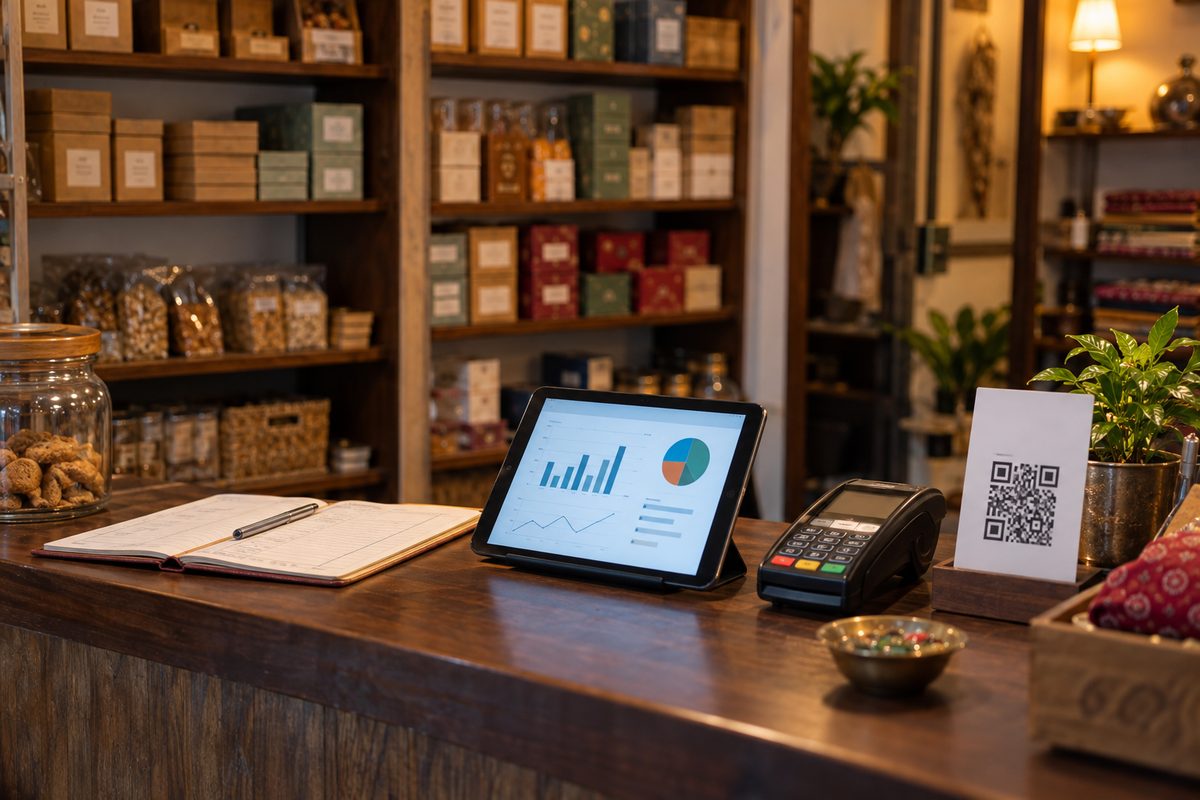
In today's business world, emerging technologies can make or break a small business owner's ability to adapt to change. Technology is no longer an expenditure but an investment in a company's success. As markets become more competitive, technology adoption by small and medium-sized enterprises (SMEs) has become vital: SMEs are adopting technology to transform and remain relevant, and fintech companies play a significant role in the process.
Indian MSMEs contribute 33 per cent of the country's GDP, making the sector the focus of the government's push for a digital India. From automation for mundane tasks to cloud technology in place of physical servers, tech adoption by SMEs is on the rise.
Here are some technologies worth considering.
Adopt cloud computing
Cloud computing allows SMEs to store, access and process data on the internet, rather than on local servers or devices. This makes collaboration, remote work and scaling easier, and cloud-based software can also reduce costs and improve efficiency. A graphic design SME, for instance, can use cloud-based design software to work with clients and designers around the world, without in-person meetings and with more flexible working.
It is not that SMEs don't understand the importance of moving to the cloud. 68 per cent of SMEs in our country want to digitally transform, but 84 per cent find the transition difficult. Most cite high costs as the main reason holding them back. They also worry about unbudgeted and unexpected costs during the transition, which can hit their operations hard. And most SMEs don't have in-house people skilled enough to handle the move or manage multiple clouds, so they worry about the cost of training or hiring. There is no denying the cost is significant, but the question is: can you bear the cost of outdated systems?
Outdated systems can be far more expensive than new technologies, in direct costs and in opportunity costs.
Direct costs include maintaining and repairing outdated systems, and the downtime when they fail. Old systems break down more often, and replacement parts, or technicians who can work with old technology, are harder to find and more expensive. That means higher repair bills, longer downtime and lost productivity.
Opportunity costs can be even more significant. Outdated systems may not keep up with the demands of a growing business, or offer the features newer systems do. That limits an SME's ability to compete, attract customers and grow. Newer technologies, by contrast, bring efficiency, cost savings and a better customer experience, which can lead to more revenue and market share.
So while upgrading may seem costly at first, the long-term cost of keeping outdated systems can be much higher.
Embrace automation
Automation technologies such as robotic process automation (RPA) help SMEs streamline operations and reduce manual work, freeing time and resources for more strategic work. An accounting SME, for instance, can use RPA to generate invoices and process payments, reducing errors and improving accuracy.
Blockchain at its best
Blockchain can give SMEs secure and transparent transactions, better supply chain management, access to financing, simpler legal processes, and more trust and a better reputation:
- Secure and transparent transactions: blockchain's decentralised, distributed ledger records every transaction securely and transparently, reducing the risk of fraud, cyber attacks and data breaches.
- Better supply chain management: tracking goods from raw materials to finished products helps find bottlenecks, minimise waste and increase transparency.
- Access to financing: alternative options such as crowdfunding, peer-to-peer lending and token offerings can be faster, cheaper and more accessible than traditional finance.
- Simpler legal processes: smart contracts, self-executing agreements programmed on the blockchain, simplify contract management, intellectual property protection and compliance, with fewer intermediaries.
- Trust and reputation: proof of authenticity, ownership and quality on a blockchain helps SMEs build trust with customers, suppliers and investors, and improves their brand value.
Utilise artificial intelligence (AI)
AI helps SMEs make better decisions and serve customers better. Chatbots can provide support around the clock, and predictive analytics supports data-driven decisions. An e-commerce SME can analyse customer data to personalise product recommendations, increasing engagement, loyalty and sales. Restaurants can use data analytics and machine learning to personalise their service and improve the customer experience.
Explore the Internet of Things (IoT)
The IoT connects everyday devices to the internet, so they collect data that can be analysed. SMEs can use IoT devices to optimise operations and understand customer behaviour:
- Inventory management: track stock in real time to reduce waste and plan purchasing and production. A restaurant can monitor the temperature and humidity of its food storage for food safety.
- Equipment monitoring: track machine performance and maintenance needs to prevent downtime and cut maintenance costs, catching malfunctions early.
- Supply chain optimisation: a logistics SME can track the location and condition of shipments, giving customers real-time updates and reducing delays.
- Energy efficiency: a shop can adjust lighting and temperature to how many people are inside, cutting its power bill.
- Customer engagement: a hotel can remember guest preferences and adjust room settings for each guest.
Invest in cybersecurity
As technology becomes central to SMEs, protecting against cyber threats is crucial: firewalls, antivirus software and employee training. An online retailer, for example, can use cybersecurity tools to protect customer data and prevent fraud, building trust and reputation.
India has seen 95 per cent year-on-year growth in cyber attacks on government agencies, and the Indian Computer Emergency Response Team (CERT-In) tracked as many as 12.67 lakh cyber incidents by November 2022. According to the CyberPeace Foundation, 43 per cent of all cyber attacks target small businesses and startups, and IBM's 2022 Cost of a Data Breach report puts the average cost of a breach in India at ₹17.6 crore. For large organisations, an attack may cost reputation and some business. For smaller ones, it threatens their survival, and many SMEs still know little about cybersecurity.
So SMEs should invest in:
- resistance against ransomware, malware and denial-of-service attacks;
- cloud-based security solutions;
- vigilance on mobile phones as an entry point for attackers;
- IoT and other advanced technology that is secured at the gateway level.
Leverage social media and digital marketing
Social media and digital marketing help SMEs reach new audiences and engage customers, through influencer marketing, social media advertising and email campaigns. A beauty products SME can showcase its products and engage customers through Instagram stories and influencer partnerships, increasing brand awareness and sales.
Virtual workspaces
A business needs an office to look legitimate, but rent, equipment and utility bills are a heavy burden for startups. A virtual workspace offers the services of a traditional office at a much lower cost, which makes it a good option for small businesses that want a corporate image.
Cost isn't the only reason virtual workspaces are popular. They support a collaborative way of working with remote work, talent mobility, connectivity and even employee wellbeing. Your team can work from different places, using apps to coordinate conveniently and efficiently.
Beacon technology
There are many more ways to use technology. Here is one that combines many in one.
Beacons are small devices that use Bluetooth Low Energy (BLE) signals to talk to mobile phones close by. SMEs can use them to improve customer experiences, drive sales and run more efficiently:
- Location-based marketing: a shop can send a discount to a customer standing in front of a particular product.
- Indoor navigation: a museum can guide visitors through its exhibits.
- Contactless payments: a café can let customers pay from their phones.
- Inventory management: a retailer can reorder products automatically when stock runs low.
- Asset tracking: a construction company can track where its tools and equipment are.
Who got it right
These pointers are great to hear and daydream about, so here are some well-known brands to show that the sky's the limit. They are household names and won't surprise you, but their smart use of technology might.
- Amul, the cooperative that revolutionised India's dairy industry, used technology to streamline its supply chain and logistics, delivering fresh milk and dairy products across the country.
- Nykaa, a leading e-commerce platform for beauty and wellness, uses technology to offer a wide range of products, personalised recommendations and a seamless shopping experience, with digital payments and quick refunds that build customer trust and loyalty.
- Paper Boat, the brand of traditional Indian drinks and snacks, built a strong online presence and engages its customers through social media and other digital channels.
- Milkbasket, a Delhi-based startup that delivers groceries daily, automated its supply chain, uses machine learning to predict what customers will order and stock accordingly, and lets customers order and track deliveries in real time through its app.
Who got it wrong
Having the right tech is great; the wrong technology choices can take a business down the drain.
- AskMe, an e-commerce platform, invested heavily in building its own logistics infrastructure, a costly mistake when it failed to meet the company's needs. It shut down in 2016.
- Reva, the electric car maker that set out to offer green, affordable transport, fell behind the latest advances in electric cars. Sales declined, and the company was acquired by Mahindra & Mahindra.
Why fintechs?
There are any number of possibilities, but the challenge is making the right choice at the right time. A lack of information, a fund crunch, limited manpower and a small scale of operations can all get in the way. That is when partnering with fintechs, with bundled services that make life easier, is worth considering.
At the basic level, fintechs offer SMEs innovative financial solutions that traditional institutions may not, and they can be tailored to an SME's needs, which matters most for businesses just starting out. Here are some ways fintechs can help Indian SMEs. (The companies named are examples, not recommendations.)
- Payment processing: Paytm and Razorpay let SMEs accept electronic payments such as cards and digital wallets, with faster, more secure transactions and less risk of fraud and chargebacks.
- Financing: Lendingkart and Capital Float offer loans, lines of credit and invoice financing, faster and more flexible than traditional banks and with less collateral, so SMEs can get the capital they need to grow.
- Digital banking: Niyo and Open offer a more seamless banking experience, with real-time balances, payment processing, and financial tools and insights.
- Accounting and bookkeeping: Tally and QuickBooks streamline financial processes, give real-time insights and automate tedious tasks like invoicing and expense tracking; some also help meet the compliance needs of India's tax departments.
- Financial planning and analysis: tools that help SMEs understand their performance, spot trends and forecast, so they make better-informed decisions.
- Risk management: Signzy and Fintellix help mitigate financial risks such as fraud and cyber attacks, with real-time monitoring of transactions.
- Blockchain: fintechs can help SMEs adopt blockchain through consulting, building and integrating blockchain solutions, training, and access to blockchain platforms.
The bottom line
Technology adoption is no longer optional for SMEs that want to stay competitive. The cost of adopting it may be a concern, but the cost of outdated systems can be far greater. Evaluate the benefits and risks of each technology, prioritise by your business needs, and plan the transition carefully. With the right approach and mindset, SMEs can use technology to transform, and stay relevant for the long run.

Saudamini Chandarana Bhat is a Chartered Accountant turned marketing leader. More about me